Key Takeaways:
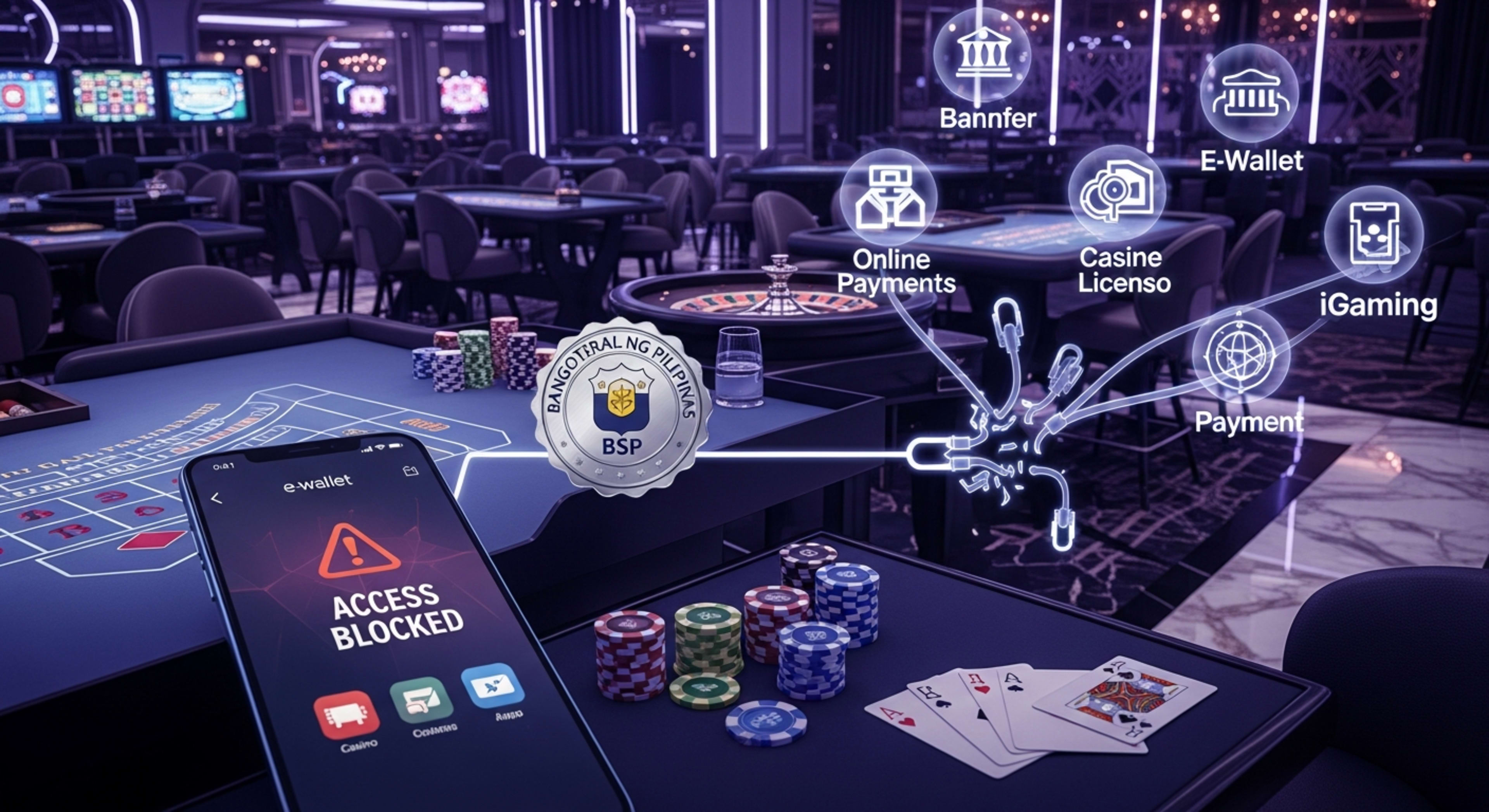
- Bangko Sentral ng Pilipinas (BSP) directed e-wallet providers to remove all links and icons to online gambling platforms within 48 hours.
- The move targets unauthorized online gambling operations, aiming to curb illegal activities and protect consumers.
- This enforcement action highlights ongoing regulatory efforts to restrict access to offshore and unlicensed i Gaming in the Philippines.
The Bangko Sentral ng Pilipinas (BSP) has issued a directive requiring major e-wallet operators, including GCash and Maya, to immediately unlink from online gambling platforms. The order, announced recently, gives providers a strict 48-hour window to eliminate any icons, links, or integrations that facilitate access to online gambling sites. This step is part of broader measures to combat unauthorized i Gaming activities, which often operate offshore and evade local licensing requirements.
The Philippines maintains a regulated framework for online gambling, primarily through the Philippine Amusement and Gaming Corporation (PAGCOR) for licensed operators, but illegal offshore platforms have proliferated, leveraging e-wallets for seamless transactions. BSP's action addresses concerns over financial risks, including money laundering and consumer losses from unregulated operators. By forcing disconnection, the regulator seeks to disrupt payment flows to these platforms, making it harder for players to deposit or withdraw funds easily.
This development matters significantly for the online casino industry in Southeast Asia. The Philippines serves as a key hub for both licensed iGaming operations and offshore providers targeting the local market. Stricter enforcement on payment channels could reduce player migration to unlicensed sites, potentially benefiting PAGCOR-licensed operators by leveling the competitive field. It also signals heightened scrutiny on fintech integrations in gambling, which may influence similar policies in other emerging markets where digital wallets dominate transactions. Industry stakeholders, including software providers and payment processors, will need to monitor compliance closely to avoid penalties.
The order underscores the challenges of regulating fast-evolving digital payments in i Gaming, where convenience often outpaces oversight. While not a full ban on online gambling, it represents a targeted crackdown on illegal access points, reinforcing the government's commitment to a controlled and safer gambling environment.